


-

Add: HeBei ShengShi HongBang Cellulose Technology CO.,LTD.
-

Email
13180486930@163.com -

CONTACT US
+86 13180486930

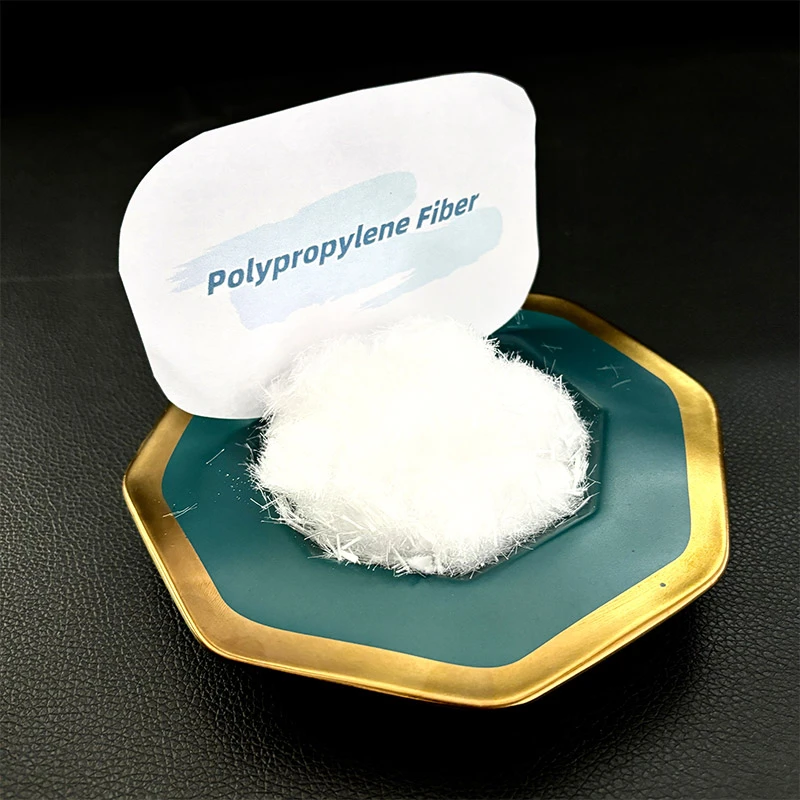


Raw Materials for Synthetic Fibers An Overview Synthetic fibers have become an integral part of our daily lives, shaping industries ranging from fashion to automotive. These fibers are made from raw materials that have transformed textiles, offering durability, versatility, and a range of functionalities. To understand the production of synthetic fibers, it is essential to explore the various raw materials involved, the processes of transforming these materials, and their impact on the textile industry and the environment. Types of Raw Materials The production of synthetic fibers primarily relies on petrochemical products derived from crude oil. The two most common types of synthetic fibers are polyesters and polyamides, which are produced from specific raw materials. 1. Polyester The most widely used synthetic fiber, polyester, is typically made from polyethylene terephthalate (PET). PET is synthesized from two key raw materials terephthalic acid and ethylene glycol. Both of these compounds originate from crude oil, undergoing processes such as polymerization to create polyesters. Known for its strength and resistance to stretching and shrinking, polyester has become a popular choice in clothing, home furnishings, and industrial applications. 2. Polyamide (Nylon) Another significant synthetic fiber is polyamide, commonly known as nylon. The production of nylon involves raw materials like hexamethylenediamine and adipic acid, which can also be sourced from petroleum or derived from renewable resources. Nylon fibers are prized for their exceptional elasticity, strength, and abrasion resistance, making them ideal for products such as hosiery, activewear, and ropes. 3. Acrylic Acrylic fibers, often used as a wool substitute, are manufactured from polyacrylonitrile (PAN). The raw materials for PAN typically include acrylonitrile, which is derived from propylene—another byproduct of oil refining. Acrylic fibers are lightweight, soft, and exhibit good color retention, providing a popular choice in blankets, sweaters, and textiles. The Production Process Once the raw materials are sourced, the production of synthetic fibers generally involves several key steps polymerization, spinning, and finishing. raw material for synthetic fibers - Polymerization This process involves chemically reacting the raw materials to form long chains of molecules, known as polymers. Depending on the desired characteristics of the final product, variations in the chemical process can be implemented to achieve specific attributes, such as thickness and flexibility. - Spinning After polymerization, the resulting polymers are melted down and extruded through spinnerets, which are devices that create filaments. As the molten polymer passes through tiny holes, it cools and solidifies to form fibers. This spinning process can be done using different techniques, such as dry, wet, or melt spinning, each resulting in different types of fiber characteristics. - Finishing The final step in fiber production involves finishing processes that enhance the fiber's performance characteristics. This might include dyeing, texturing, or applying treatments that improve properties like water resistance or flame retardance. Environmental Considerations While synthetic fibers have revolutionized the textile industry, their production poses significant environmental challenges. The extraction and processing of petrochemical raw materials contribute to carbon emissions, pollution, and reliance on fossil fuels. Furthermore, synthetic fibers are not biodegradable, resulting in long-lasting waste in landfills and oceans. To address these concerns, there is a growing movement towards sustainable practices in synthetic fiber production. Innovations in recycling technologies are enabling the repurposing of old synthetic garments into new fibers. Brands are also exploring bio-based alternatives, using renewable resources such as corn starch or sugarcane to produce synthetic fibers, thus reducing their environmental footprint. Conclusion The journey of synthetic fibers from raw materials to finished products is a complex interplay of chemistry, engineering, and environmental considerations. As demand for these materials continues to grow, it is vital to find a balance between industrial benefits and ecological sustainability. By prioritizing innovation and responsible sourcing, the future of synthetic fibers may pave the way for a more sustainable textile industry, combining functionality with environmental stewardship.
- 40000tons

Production
- 20+years

Experience
- 5000+㎡

Acreage

-
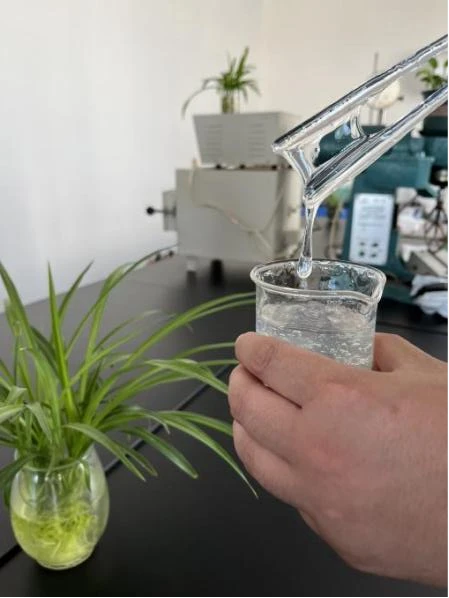
Redispergable Latex Powder An Innovative Solution in the Coating Industry In recent years, the demand for high-performance materials has driven significant advancements in various industries, particularly in coatings, adhesives, and sealants. One such innovation that has emerged is redispergable latex powder (RLP). This remarkable product has transformed the way professionals approach construction, manufacturing, and various applications where flexibility and durability are paramount. What is Redispergable Latex Powder? Redispergable latex powder is a form of polymer that can be reconstituted in water to form a stable dispersion. This biocompatible powder is created by transforming liquid latex into a dry form while maintaining its versatility and performance characteristics. When mixed with water, the powder redisperse back into a smooth, homogeneous emulsion, making it a preferred choice for many applications. Properties and Benefits The redispergable latex powder possesses several benefits that make it an attractive option for manufacturers and construction professionals 1. Ease of Use The transition from powder to liquid form allows for easier storage and transportation. The lightweight nature of RLP reduces shipping costs and enables manufacturers to stock larger quantities without requiring significant space. 2. Stability RLP is known for its excellent storage stability. This property ensures that the polymer maintains its performance characteristics over time, even when stored for prolonged periods. . 4. Performance Once reconstituted, RLP can provide high bonding strength, flexibility, and durability, which are essential qualities for coatings and adhesives. The resulting products exhibit better resistance to environmental factors such as moisture and UV radiation. редиспергируемый латексный порошок 5. Environmental Considerations As sustainability becomes a priority, redispergable latex powder offers a low-VOC (volatile organic compound) formulation, which contributes to healthier indoor air quality and reduced environmental impact. Applications The applications of redispergable latex powder are extensive, making it a valuable resource across various sectors 1. Construction In the construction industry, RLP is utilized in tile adhesives, joint compounds, and exterior coatings. Its excellent adhesion properties enhance the longevity and durability of structures, ensuring they withstand environmental stresses. 2. Paints and Coatings RLP is used in the formulation of paints and coatings, providing improved flow, leveling, and durability. This results in a final product that adheres well to surfaces, resists peeling or cracking, and provides a lasting finish. 3. Adhesives In the adhesive market, RLP offers enhanced bonding capabilities for various substrates, including wood, metal, and plastics. This versatility makes it an essential component in manufacturing processes where adhesion plays a pivotal role. 4. Textiles Redispergable latex powders are also utilized in textile coatings, providing flexibility and water resistance to fabric products, enhancing their value and functionality. The Future of Redispergable Latex Powder As technology continues to evolve, the formulations and manufacturing processes for redispergable latex powders are becoming increasingly refined. Ongoing research and development are likely to lead to new innovations that expand the functionality and application scope of these materials. In conclusion, redispergable latex powder represents a significant leap in material technology, bringing numerous advantages and applications across various industries. Its eco-friendly nature, combined with excellent performance characteristics, positions it as a vital component for the future of construction, coatings, and adhesive solutions. As businesses continue to prioritize sustainability and efficiency, the role of redispergable latex powder is expected to grow, paving the way for innovative solutions tailored to meet modern demands.
-
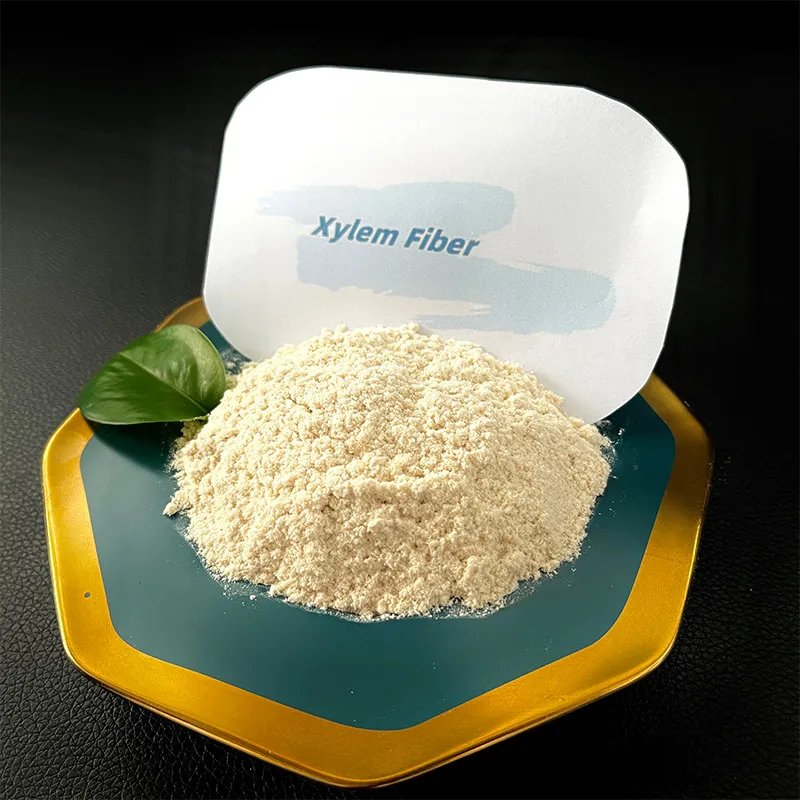
Exploring the HPMC Chemical Structure A Scientific Perspective The chemical structure of Hydroxypropyl Methylcellulose (HPMC) is not just a complex arrangement of atoms, but a profound synthesis of chemical engineering that finds application in various industries ranging from pharmaceuticals to construction. As science delves deeper, the intricate design of HPMC offers insights into its versatile functionalities, underscoring a narrative of innovation and reliability. Hydroxypropyl Methylcellulose is a cellulose derivative, notable for its amphiphilic properties which allow it to act as a water-soluble polymer. This unique characteristic stems from its chemical backbone—a result of both methyl and hydroxypropyl groups attached to the anhydroglucose units of cellulose. Every molecule of HPMC possesses a repeating structure that enhances its utility by maintaining a balance of hydrophilic and lipophilic elements. This duality in its molecular architecture is what empowers its diverse applicability in modern industries. In the realm of pharmaceuticals, HPMC's chemical structure renders it an indispensable excipient . The polymer serves as an ideal choice for controlled drug release formulations. Its hydrophilic matrix forms a gel barrier around the active ingredient, modulating the drug's release rate based on hydration dynamics. This meticulous delivery mechanism is crucial for maintaining therapeutic levels of medication over extended periods, attesting to the sophisticated engineering infused in its molecular design. hpmc chemical structure Moreover, HPMC's valor does not solely stem from its physicochemical properties but also its biocompatibility and non-ionic behavior. It is inert and exhibits minimal interaction with other substances, which makes it safe for consumption and utilization in medical formulations. Consequently, the high degree of trust placed in HPMC is built on a foundation of extensive scientific validation and regulatory approvals across healthcare frameworks globally. In food technology, HPMC's chemical structure confers remarkable emulsifying, stabilizing, and thickening abilities. These functionalities are especially harnessed in the production of gluten-free and reduced-fat foods. Its thermal gelation property—wherein it forms a gel at elevated temperatures and returns to solubility upon cooling—can be attributed to the specific arrangement and substitution of hydroxyl and methoxyl groups, facilitating texture modulation in diverse culinary applications. HPMC also assumes a critical role in the construction industry, where its chemical structure influences the properties of cement and plaster mixes. It enhances water retention, workability, and open time, crucial for ensuring durable and robust construction outcomes. The polymer’s viscosity-building and binding qualities simplify application on surfaces, making brushing, spraying, or roller application efficient and uniform. These benefits highlight HPMC’s contribution to improved performance and cost-effectiveness in building materials. The authoritative stature of HPMC in multiple domains is not merely a testament to its adaptability but to the scientific expertise that continues to delve into and broaden its potential. Future research may further refine its chemical structure for specific applications, paving the way for novel innovations that leverage this compound’s capabilities. Thus, HPMC stands as a paradigm of chemical engineering success—a story of how meticulous structural design can yield significant benefits across disparate fields of human endeavor.
advantages
-

200000 Viscosities
Excellent product
We can produce pure products up to 200,000 viscosities
-

40000 tons
High yield
We don’t stop production all year round, and the annual output can reach 40,000 tons
-

24 hours
Quality service
We provide 24-hours online reception service, welcome to consult at any time
———— Inquiry Form
Schedule A services

- high_viscosity_hpmc
Oct . 25, 2025
Methylcellulose tablets are rapidly gaining attention in both the medical and wellness industries du -
 utilisations_de_l_ether_d_amidon
Oct . 25, 2025
In the construction world, performance and durability are top priorities. Hydroxypropyl methylcellul -
 nylon_is_a_man_made_fibre
Oct . 25, 2025
Is HPMC Soluble in Water? Hydroxypropyl Methylcellulose (HPMC) is a widely used cellulose ether that


